How We Feed a Family of 7 for $826 a Month — While Buying Mostly Organic Groceries
Some links in this post may be affiliate links. This means I may earn a small commission from qualifying purchases at no additional cost to you.
How buying in bulk, cooking from scratch, and six years of intentional shopping have helped us maintain an affordable grocery budget without sacrificing the ingredients we love.
Feeding a family of seven isn’t cheap, especially when you prioritize organic groceries and cook most of your meals from scratch.
But here’s something that might surprise you.
Over the last six months, our family of seven has averaged just $826 per month in grocery spending.
And we aren’t filling our cart with only the cheapest conventional groceries.
We purchase organic flour, raw cheddar cheese, cultured butter, organic sour cream, and plenty of other ingredients that many people wouldn’t consider budget-friendly.
In fact, we regularly purchase 15 pounds of cultured butter for approximately $120!
That might sound like an expensive grocery habit, especially for a large family.
But I want to share something I’ve learned after six years of intentionally building our pantry and buying groceries in bulk:
You don’t have to buy the cheapest version of every ingredient to maintain an affordable grocery budget.
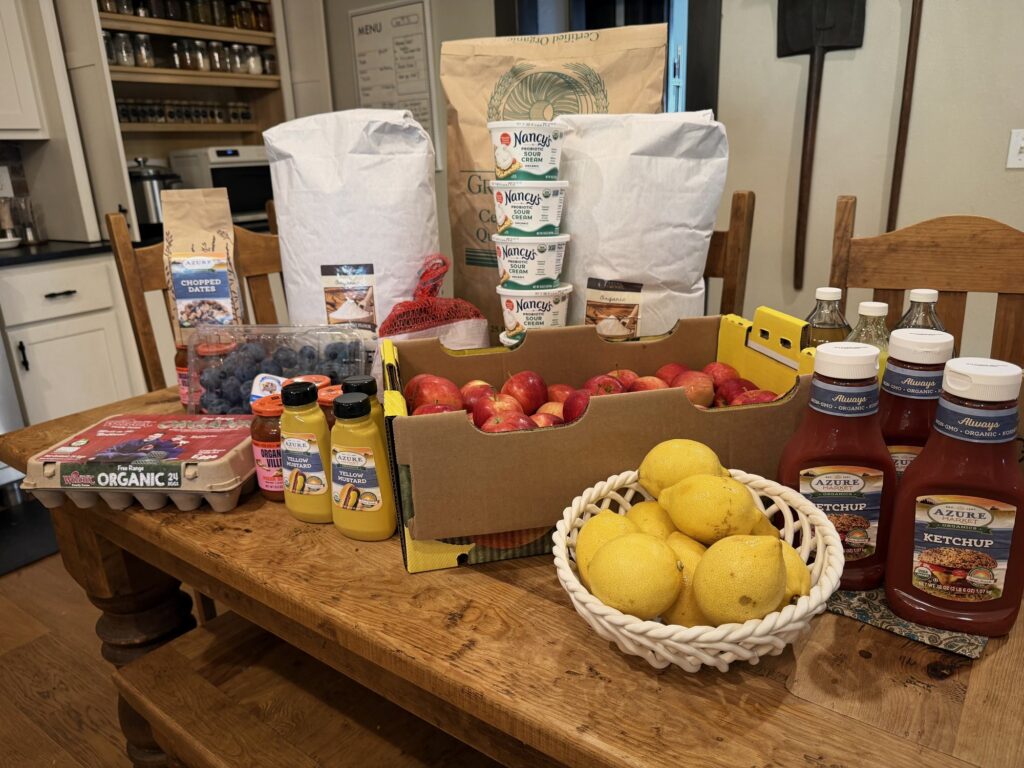
For our family, the secret has been combining two important habits: buying ingredients strategically in bulk and cooking almost everything from scratch.
We save money on many of our everyday pantry staples, which gives us room to spend more on the ingredients we really care about.
And we’ve developed the skills to turn those basic ingredients into homemade meals.
Neither of those habits happened overnight.
Here’s how we’ve made them work together to feed our family of seven.
What Does $826 a Month Actually Look Like?
Our six-month average grocery spending breaks down to approximately:
| Grocery Spending | Average |
|---|---|
| Monthly spending for seven people | $826 |
| Daily spending for our family | $27.53 |
| Monthly spending per person | $118.00 |
| Daily spending per person | $3.93 |
Those numbers reflect our actual grocery spending, not a hypothetical budget or an amount we’re trying to reach.
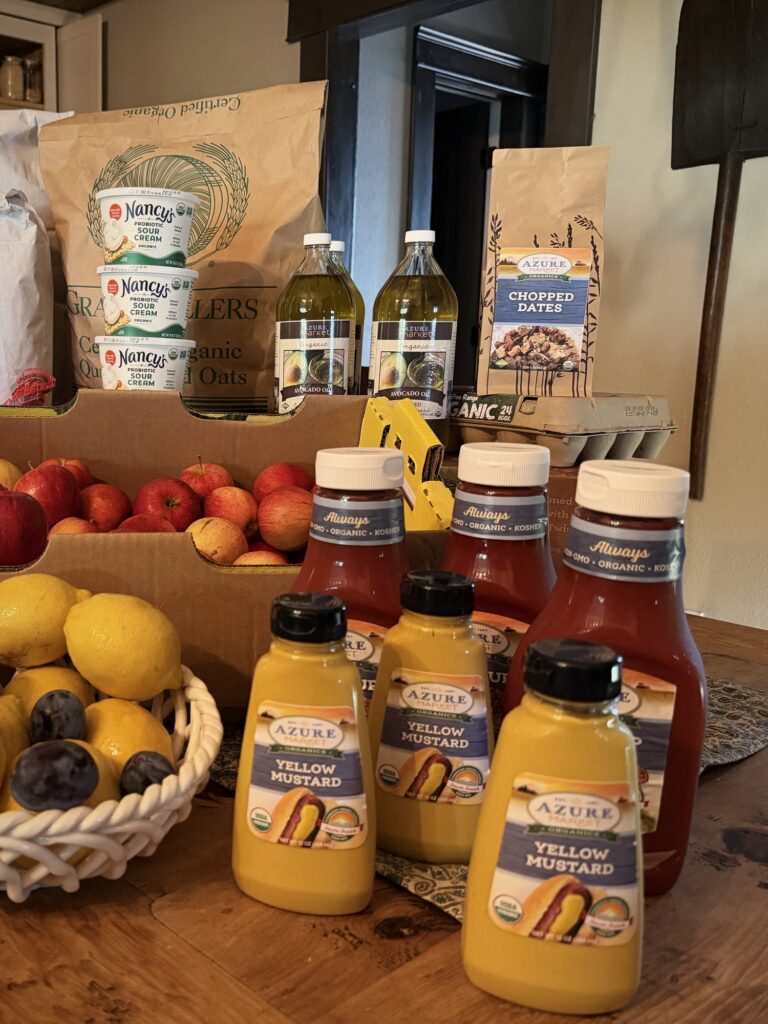
Of course, our household has some advantages that we’ve developed over time.
We maintain a well-stocked pantry, cook from scratch, garden, freeze produce, and preserve foods when we can.
We also use venison and other foods we’ve sourced or preserved ourselves.
Those things influence how much we need to purchase at the grocery store each month. Our $826 figure represents our average grocery purchases, not necessarily the complete replacement cost of every food our family consumes.
I think that distinction is important.
But I also think the habits we’ve learned can help other families, even if they don’t garden, hunt, or preserve their own food.
And perhaps the most surprising part of our grocery budget is how it compares to the USDA’s lowest-cost food plan.
Our Grocery Budget Is Thrifty, but Our Groceries Aren’t Necessarily Thrifty
The USDA publishes several food plans estimating the cost of preparing nutritious meals at home.
The Thrifty Food Plan is the lowest-cost of those plans.
Using the September 2026 USDA figures, an illustrative household of seven with two adults and five children of varying ages has an estimated monthly food cost of approximately $1,600, after the household-size adjustment.
Our average grocery spending is $826.
That’s approximately 48% below that illustrative USDA Thrifty Food Plan estimate.
The exact USDA comparison depends on the ages and sexes of the household members, so this is an example rather than a personalized USDA calculation.
The Thrifty Food Plan also isn’t the national average of what households actually spend. It’s an estimate of what a nutritious, low-cost food-at-home plan would cost.
But I find the comparison interesting because our actual grocery choices aren’t necessarily what most people would describe as thrifty.
We regularly purchase higher-priced ingredients because we prefer their quality.
We don’t always choose the conventional alternative.
We don’t automatically purchase the cheapest product on the shelf.
And we’re perfectly willing to spend more on a particular ingredient when we feel it’s worth the difference.
Our grocery budget is thrifty. Our ingredients don’t always have to be.
That’s the distinction I want to emphasize.
Why We Buy Expensive Butter and Still Stay Within Our Budget
Let’s talk about butter.
We buy cultured butter in bulk, and a recent 15-pound purchase cost approximately $120.
Yes, that’s expensive butter!
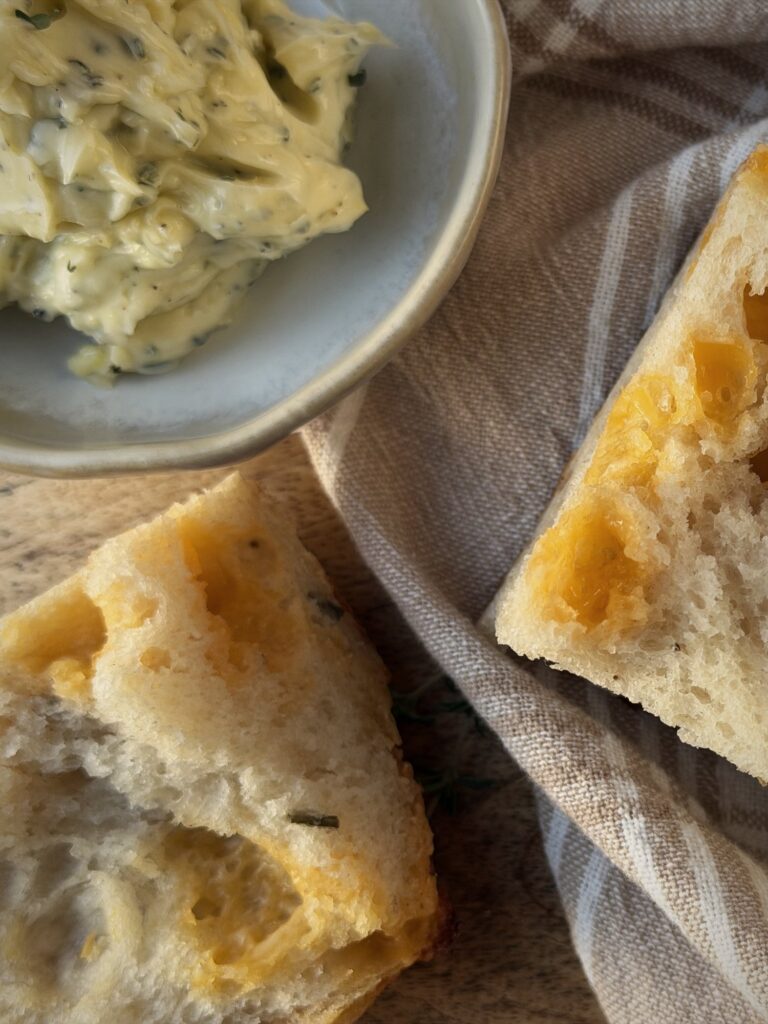
We could purchase conventional butter for considerably less.
In our price comparison, the conventional Walmart alternative would have cost approximately $74 less for the same quantity.
Even the organic retail alternative we priced was less expensive.
So why do we buy it?
Because it’s a product we enjoy using and are willing to prioritize in our kitchen.
We cook and bake from scratch almost every day. Butter goes into our homemade breads, pie crusts, baked goods, and plenty of other recipes.
But here’s the important part.
An expensive individual ingredient doesn’t automatically mean an expensive grocery budget.
If we’re saving substantial amounts on cheese, dried beans, popcorn, and other staples, those savings help create room for higher-priced items.
That’s why I don’t judge our grocery spending by looking at one product.
I look at our total spending.
A $120 butter purchase might seem excessive when viewed by itself.
But when our overall grocery spending averages $826 per month for seven people, that purchase needs to be considered within the larger picture.
It also helps to remember that bulk purchases aren’t necessarily monthly purchases. The amount we spend during a particular Azure Standard pickup may cover ingredients we’ll use over several months.
The same is true of the savings.
Saving $100 on a large cheese purchase doesn’t mean we’re saving that exact amount every month.
But consistently purchasing frequently used ingredients at favorable prices helps lower our costs over time.
Being financially intentional doesn’t mean always choosing the cheapest option. It means understanding what your choices cost and making them fit within your overall budget.
Six Years of Buying in Bulk: We Didn’t Start Here
We’ve been purchasing groceries through Azure Standard for approximately six years.
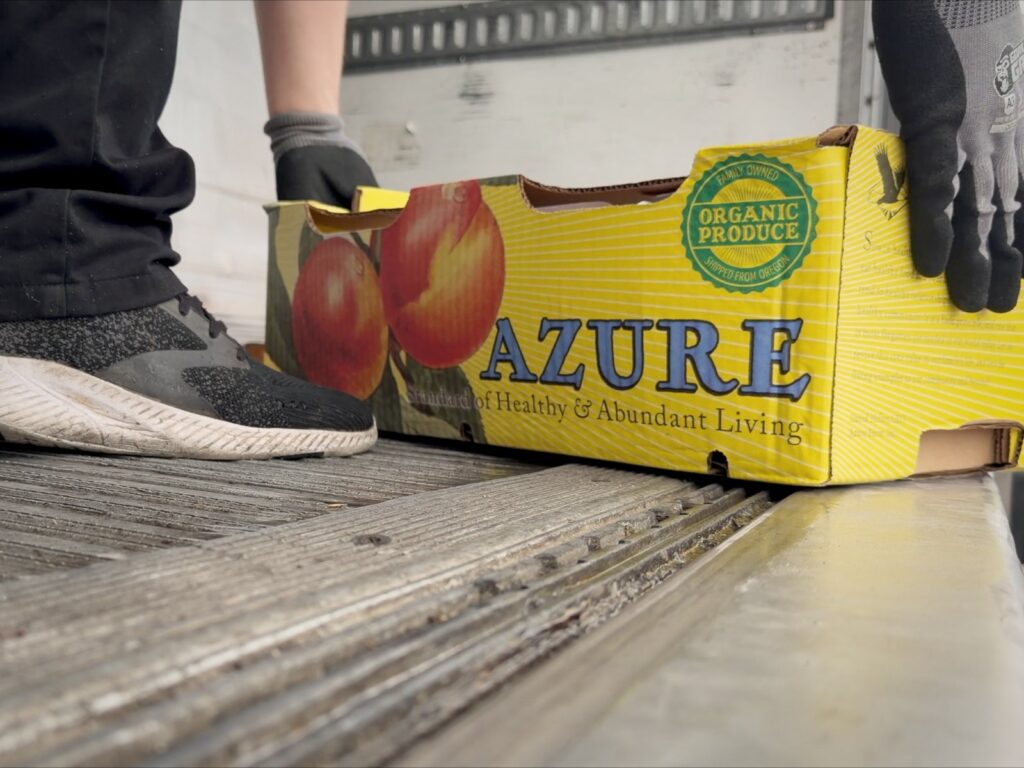
But our pantry didn’t look anything like it does today when we started.
We began with the basics.
Flour, dried beans, popcorn, and other shelf-stable ingredients were some of our first bulk purchases.
These were products we knew our family would regularly use, and they offered opportunities to save money without requiring dramatic changes to our shopping habits.
We didn’t immediately begin purchasing expensive dairy products or filling every available shelf with food.
We gradually built our pantry.
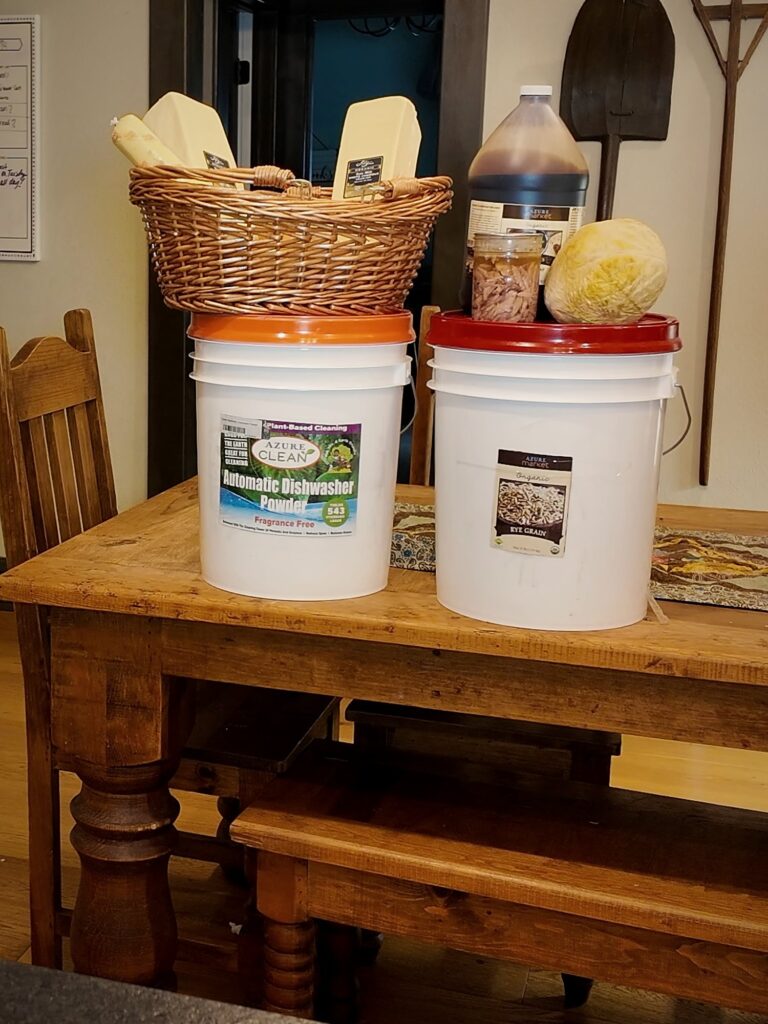
As we established a good supply of basic ingredients and our budget allowed, we added new categories.
Dairy came later.
We began purchasing more cheese, butter, and sour cream after our foundational pantry was already well stocked.
And I think that’s an important lesson for anyone interested in bulk buying.
You don’t have to do everything at once.
Start with products that offer the greatest savings.
Learn how to store and use them.
Then build from there.
Six years later, we’ve developed a system that works for our family, but it started with just a few basic ingredients.
Our Biggest Bulk Grocery Savings
Buying in bulk doesn’t automatically mean you’re getting a better deal.
Some products offer substantial savings. Others are only slightly less expensive, and some actually cost more.
That’s why I compare prices per pound or ounce rather than assuming that a larger package means a lower price.
I also like comparing our purchases against both organic and conventional grocery store alternatives.
When we’re purchasing organic foods, I want to know how our prices compare to other organic options.
But it’s also useful to understand what we would spend if we purchased conventional products instead.
Both comparisons help us make informed decisions.
Raw Cheddar Cheese: One of Our Biggest Wins
Cheese is one of our favorite bulk purchases.
We regularly buy ten pounds of raw cheddar at a time.
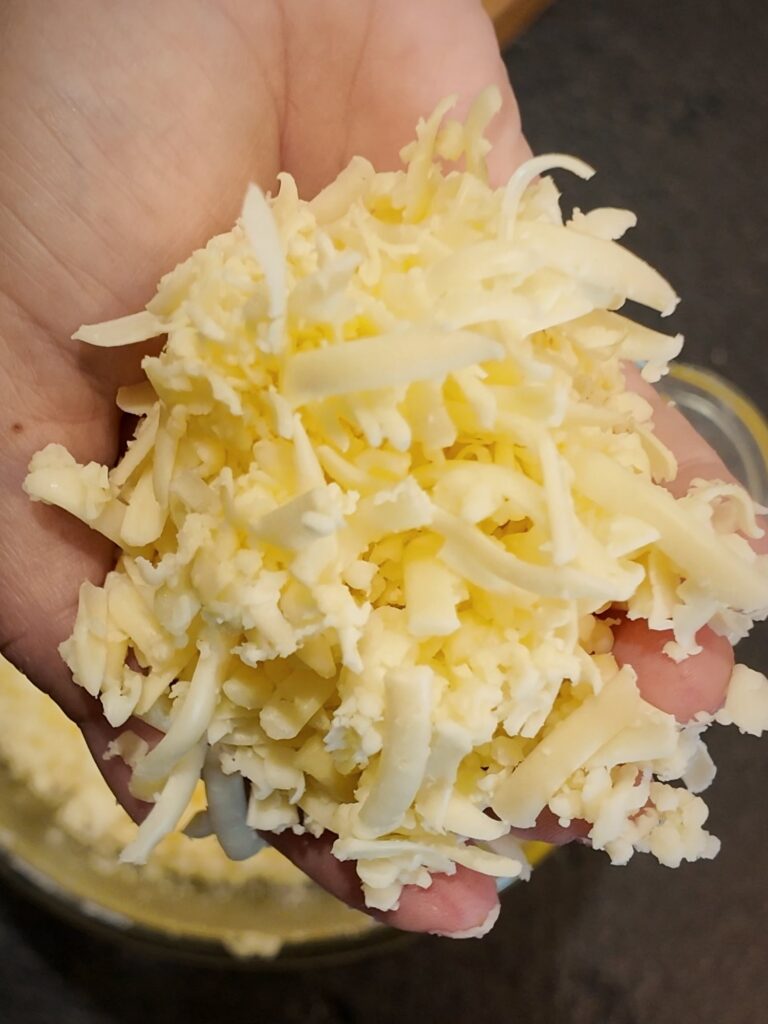
Here’s one of our price comparisons:
| Product | Price for 10 lb |
|---|---|
| Azure Standard Raw Cheddar | $66.33 |
| Comparable Organic Retail Cheese | $169.80 |
| Conventional Walmart Cheese | $34.80 |
Purchasing through Azure saved approximately $103 compared to the organic retail option, or about 61%.
That’s a significant difference!
The conventional alternative was less expensive, but conventional cheese isn’t necessarily what we’re looking to purchase.
By buying in bulk, we’re able to enjoy the raw cheddar we prefer at a much lower cost than the comparable organic retail option.
And because our family uses cheese regularly, purchasing a larger quantity makes sense.
Popcorn: A Simple Staple With Substantial Savings
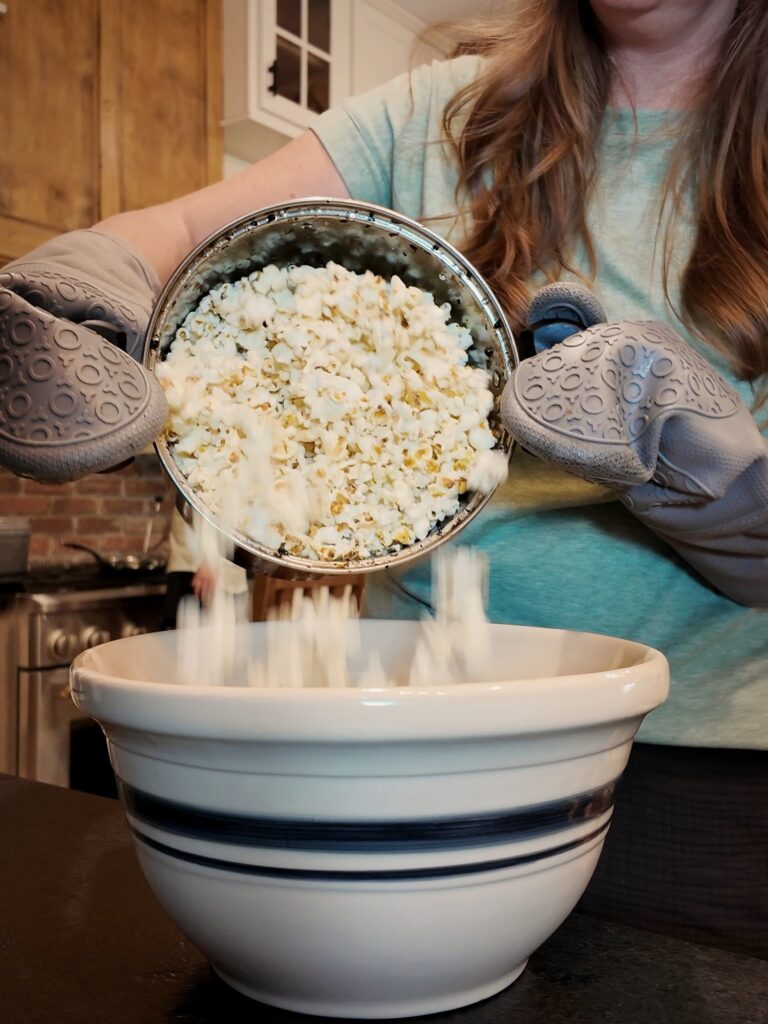
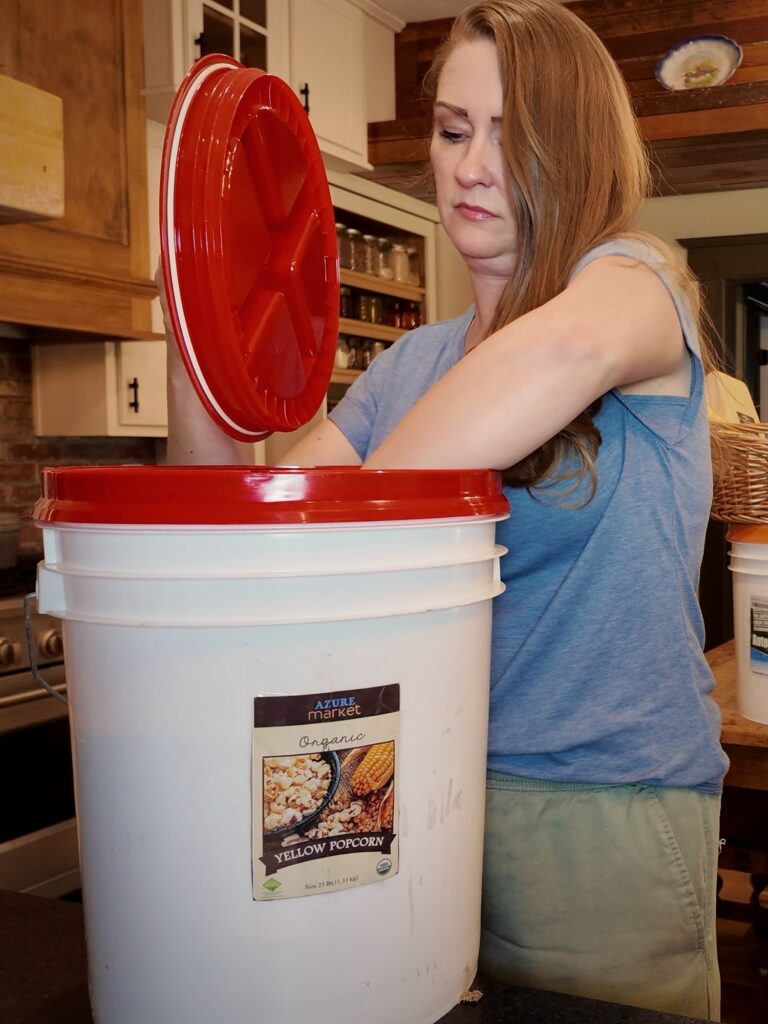
Popcorn is another pantry staple we regularly purchase in bulk.
| Product | Price for 25 lb |
|---|---|
| Azure Standard Popcorn | $28.94 |
| Comparable Organic Retail Popcorn | $64.60 |
That’s a savings of $35.66, or approximately 55%.
Popcorn is an inexpensive snack to prepare at home, and purchasing the kernels in bulk makes it even more affordable.
It’s shelf-stable, easy to store properly, and something our family actually uses.
Those are exactly the kinds of products I look for when deciding what to purchase in bulk.
Dried Beans: Affordable Protein and Pantry Convenience
Beans are another important staple in our kitchen.
We regularly purchase black beans, pinto beans, and kidney beans.
Here’s how our bulk prices compared to the organic retail products we priced:
| Product | Azure Standard | Savings vs. Organic Retail |
|---|---|---|
| Black Beans, 25 lb | $39.54 | $27.39 |
| Pinto Beans, 25 lb | $48.12 | $18.81 |
| Kidney Beans, 25 lb | $57.28 | $9.65 |
We also found savings compared to the conventional Walmart products we priced.
But there’s another reason these are such valuable ingredients to keep stocked.
I home-can our beans.
That means I can purchase dried beans at bulk prices and still have the convenience of ready-to-use beans sitting in my pantry.
When I’m making chili, soups, or other meals, I can grab a jar without needing to plan ahead.
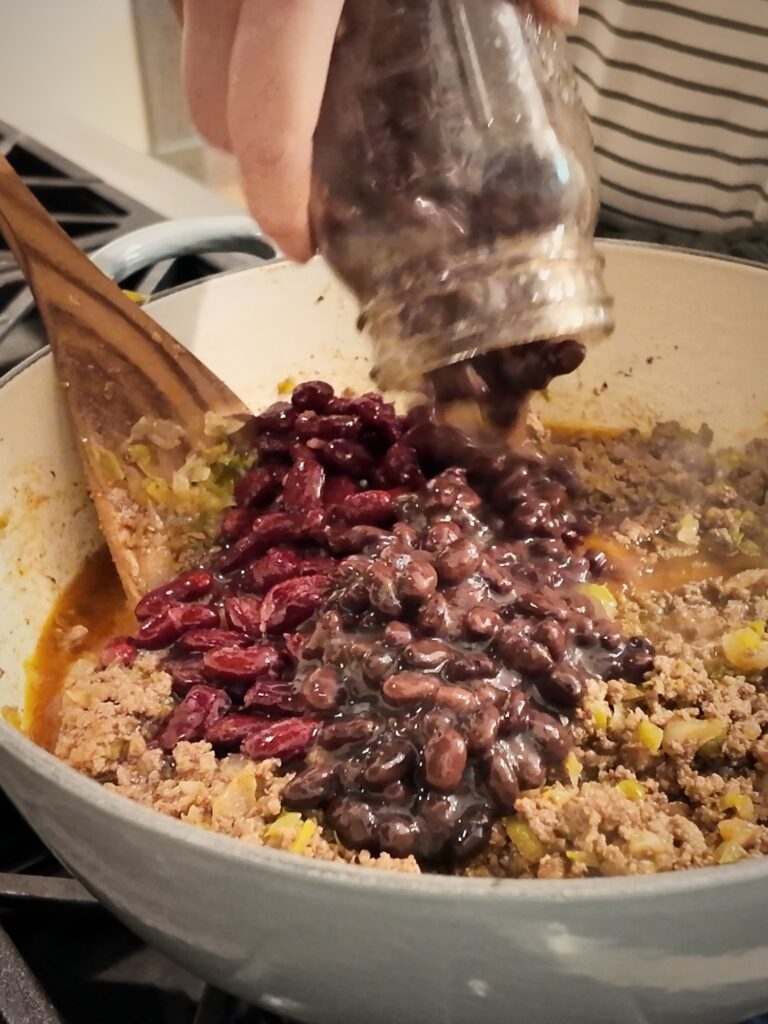
You certainly don’t need to can beans to benefit from buying them in bulk. You can cook and freeze them in smaller portions, too.
The point is that we’re purchasing an affordable ingredient and preparing it in a way that works for our family.
Organic All-Purpose Flour: A Kitchen Essential
Flour is one of the first ingredients I’d recommend considering for a bulk pantry, especially if you enjoy baking.
We use flour constantly for homemade bread, biscuits, pie crusts, and other recipes.
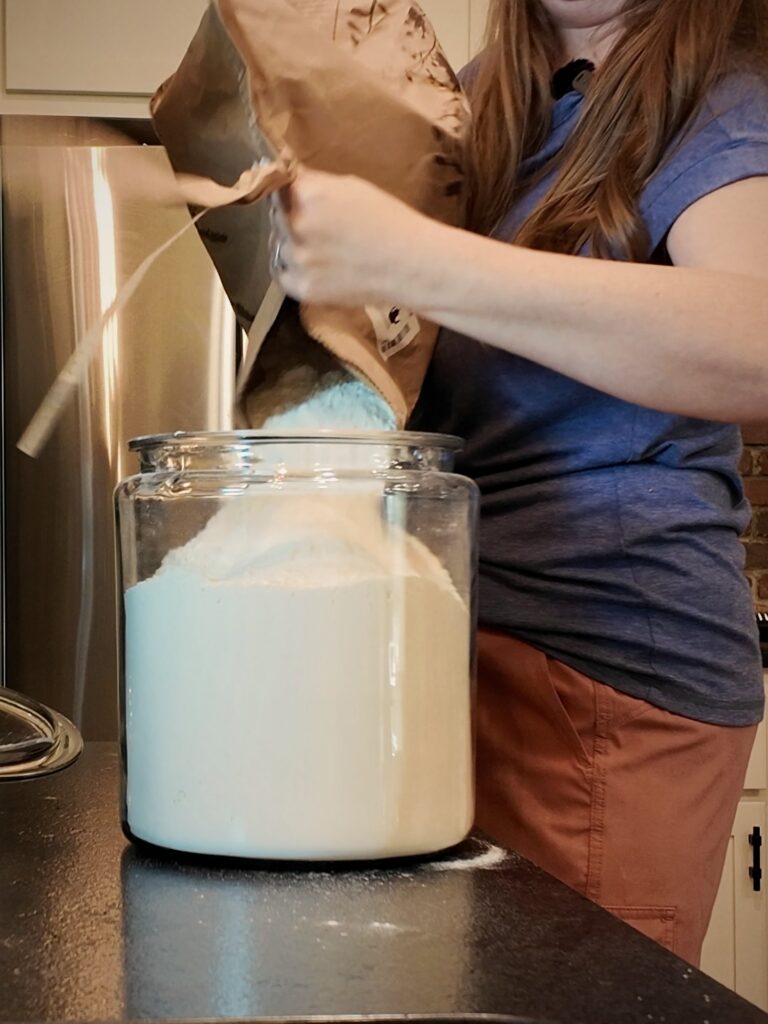
Our Azure Standard organic all-purpose flour comparison was:
25 pounds for $31.92, or approximately $1.28 per pound.
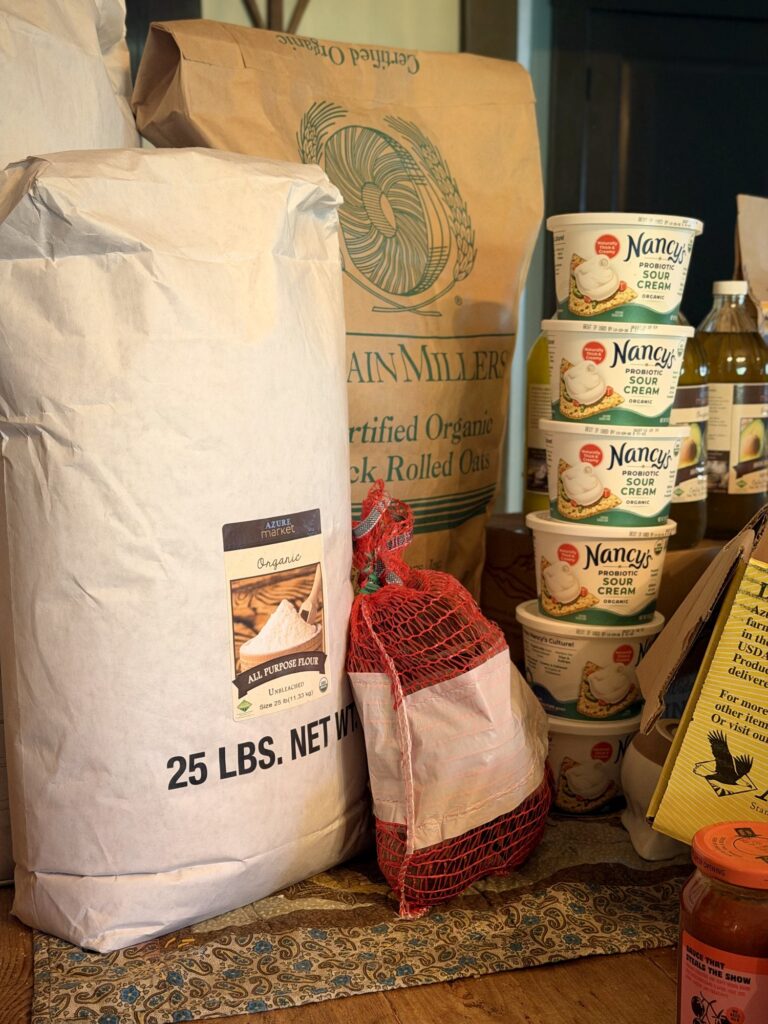
Here’s how it compared to other products:
| Flour | Equivalent 25 lb Cost |
|---|---|
| Azure Standard Organic AP Flour | $31.92 |
| Walmart Organic AP Flour | $29.85 |
| King Arthur Organic AP Flour | $39.65 |
| Bob’s Red Mill Organic AP Flour | $54.95 |
| Walmart Conventional AP Flour | $11.90 |
This is a great example of why I don’t assume every bulk purchase is automatically the best deal.
Walmart’s organic flour was actually slightly less expensive in our comparison.
However, Azure was less expensive than the other organic brands we priced.
For our family, having flour stocked in larger quantities is also extremely convenient.
We use it regularly, so there’s little concern that it will sit unused.
And that brings me to another major part of our grocery budget.
Cooking From Scratch Is Just as Important as Buying in Bulk
While buying in bulk is one of the biggest ways we control our grocery spending, it isn’t the entire story.
We cook almost everything from scratch.
And I believe this is every bit as important to maintaining our grocery budget as finding good prices on ingredients.
Buying a large bag of flour at a great price isn’t going to make much difference if you’re still purchasing most of your bread, biscuits, and baked goods from the grocery store.
The real value comes when you know how to turn that flour into something your family will eat.
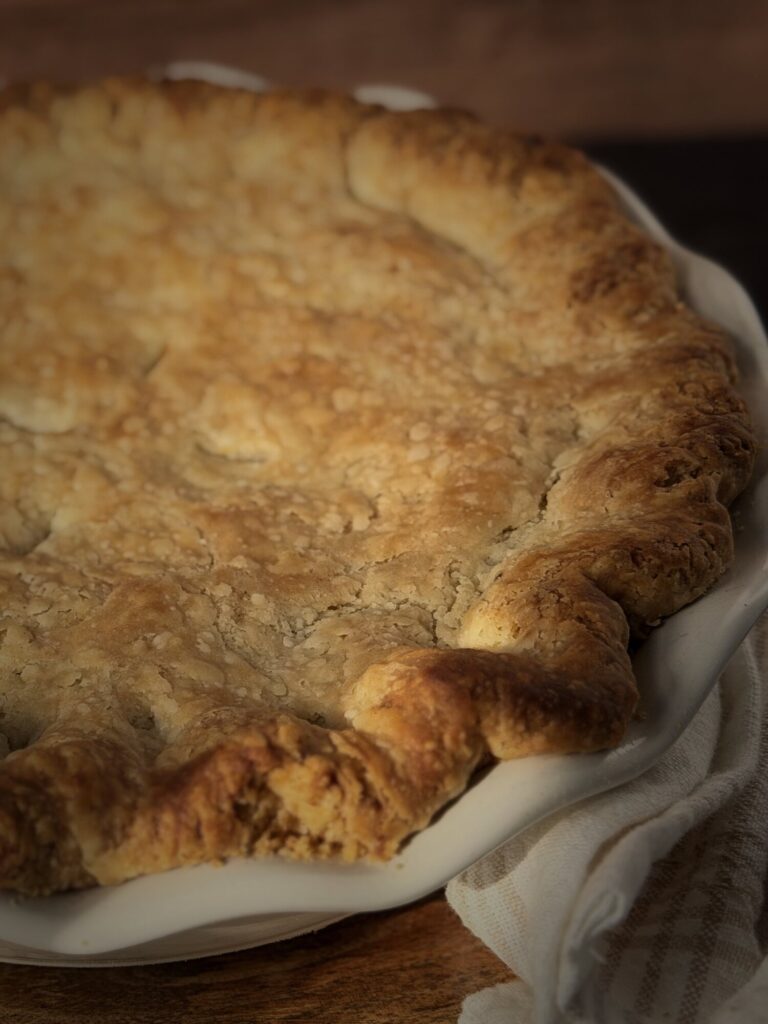
The same principle applies to dried beans, seasonings, broth mixes, and countless other pantry staples.
When you learn to make the foods you regularly purchase, you’re able to take advantage of those lower ingredient costs.
Not every homemade recipe will save money, especially if it requires expensive ingredients or equipment.
But replacing frequently purchased convenience foods with simple homemade alternatives can make a meaningful difference over time.
And here’s something I feel strongly about.
Cooking From Scratch Is a Skill Anyone Can Learn
I think people sometimes assume cooking from scratch is something you have to grow up doing.
Maybe they didn’t learn to cook as children.
Maybe they’ve relied on packaged foods for years.
Or maybe the idea of making homemade bread or preparing an entire meal from basic ingredients feels overwhelming.
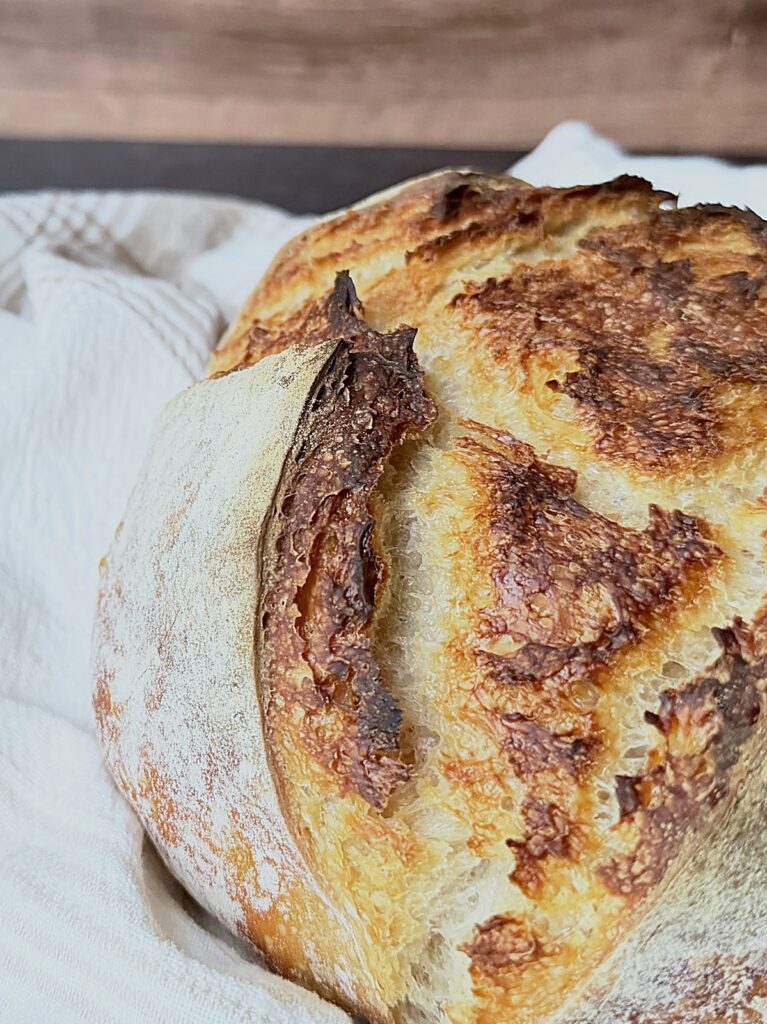
But cooking is a learned skill.
If you can read this article, you can read a recipe.
You don’t have to know how to do everything already.
You don’t need expensive kitchen equipment or a perfectly organized pantry.
You need some basic ingredients, a recipe you can follow, and a willingness to learn.
Will everything turn out perfectly the first time?
Probably not!
But practice builds confidence.
And the more you cook, the more you learn how ingredients work together.
Eventually, recipes that once felt intimidating become second nature.
I don’t want anyone to look at our family’s grocery budget and assume they could never achieve something similar because they don’t know how to cook from scratch.
These are skills that can be developed with time and effort.
We didn’t develop all of our routines overnight, either.
And you don’t need to start with complicated recipes.
Five Beginner-Friendly Recipes to Start Making From Scratch
If you’re new to scratch cooking, I’d start with simple recipes that replace something you’re already purchasing.
These are all recipes we make in our own kitchen.
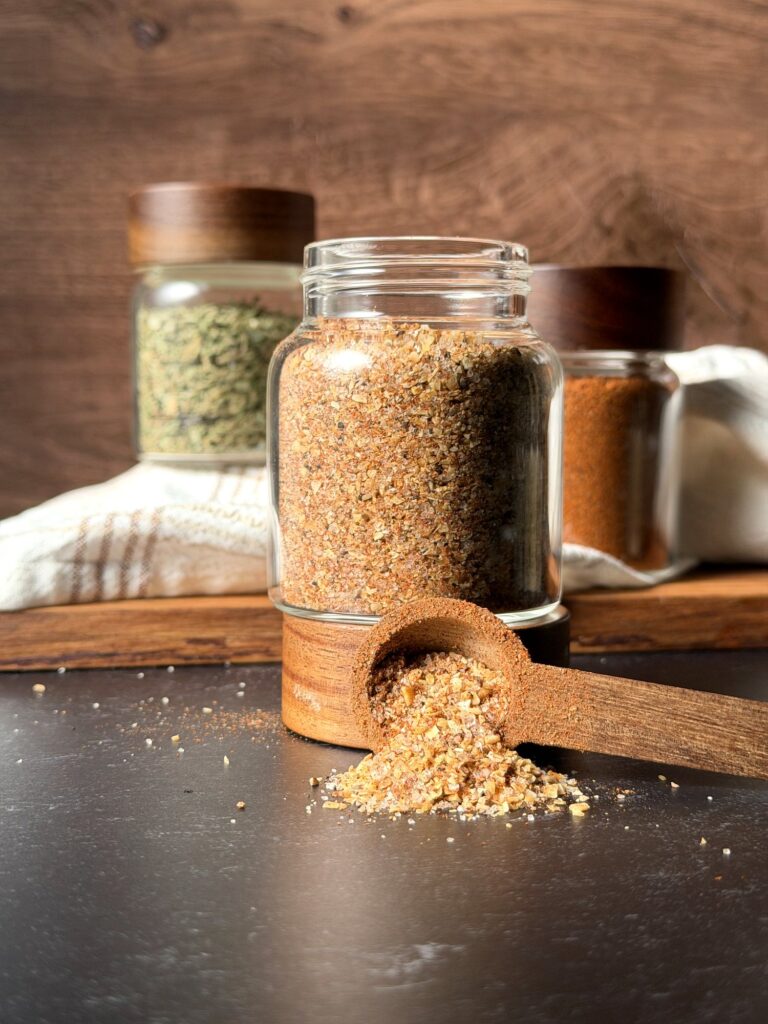
1. Homemade Taco Seasoning
Making your own seasoning blends is one of the easiest ways to get started.
You can prepare a larger batch and keep it ready for quick family dinners.

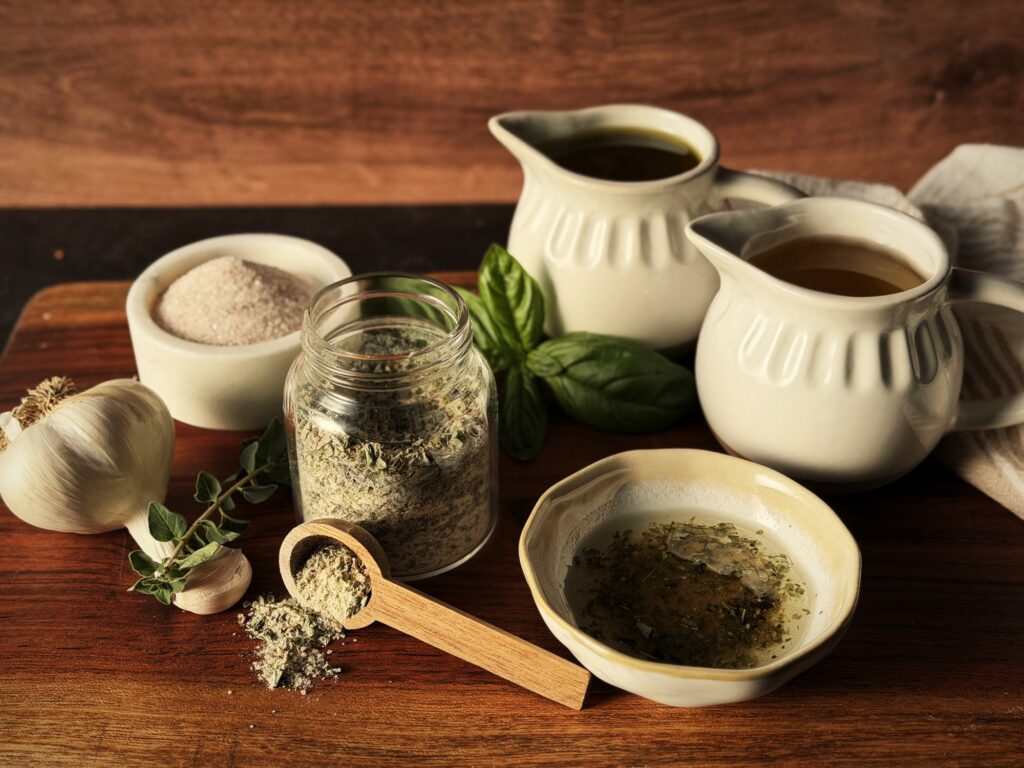
2. Homemade Italian Dressing Mix
Instead of purchasing individual seasoning packets, you can keep a homemade mix in your pantry and use it whenever you need it.
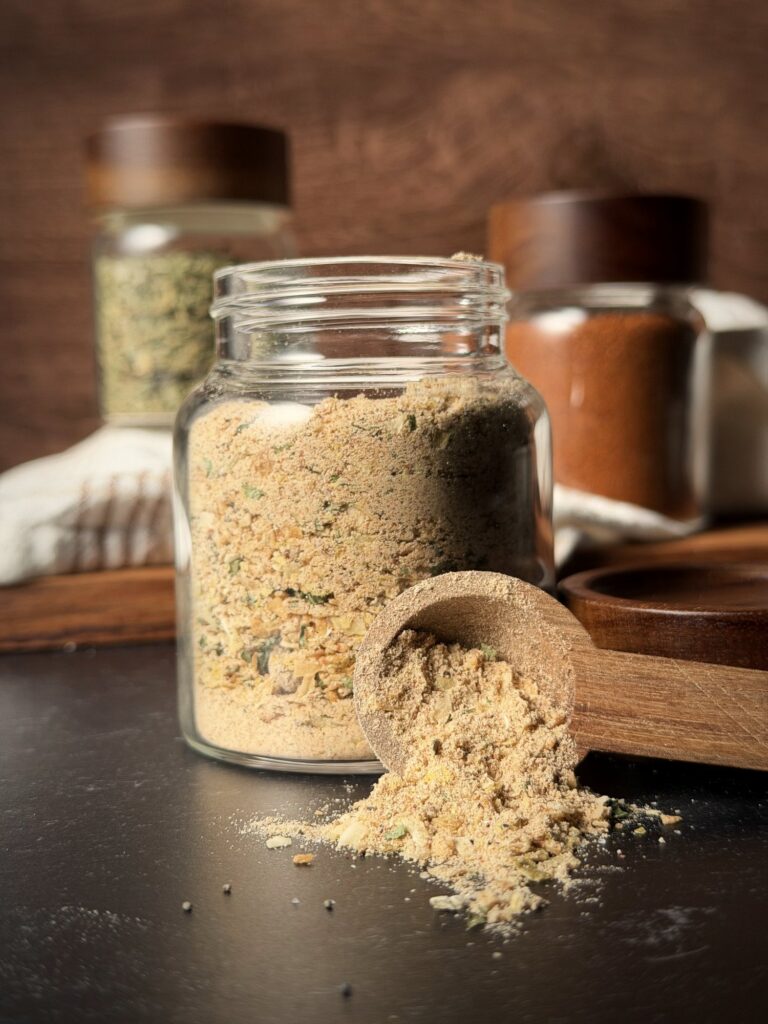
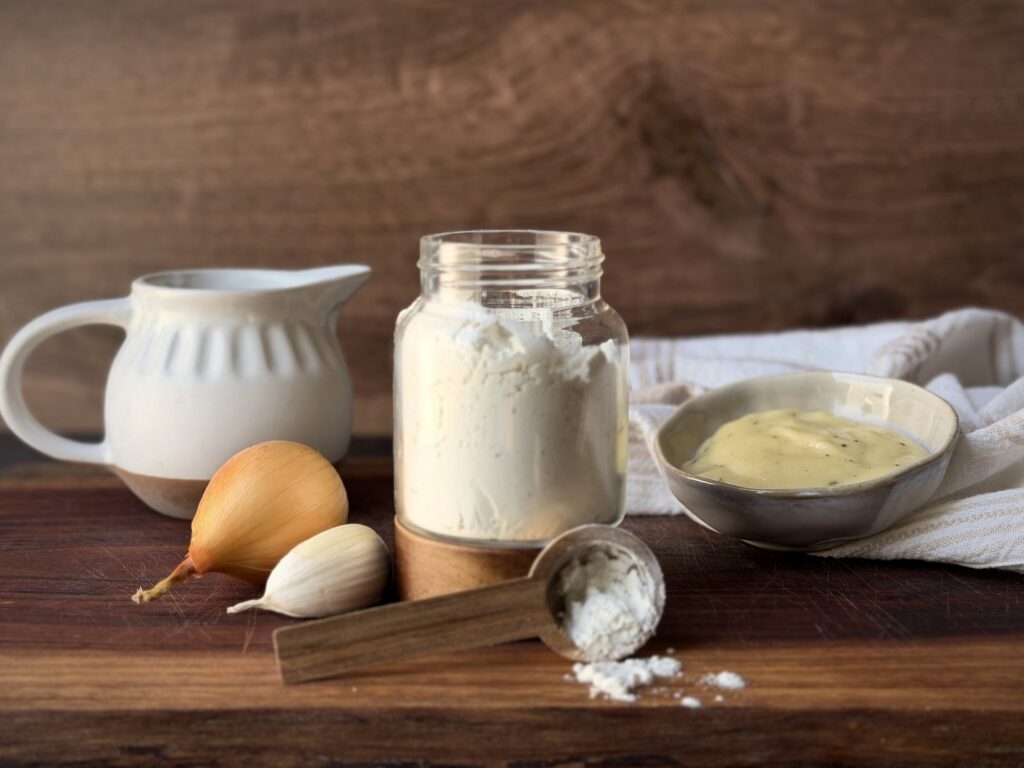
3. Homemade Cream of Soup Mix
This is one of my favorite pantry staples because we use it in so many meals.
It makes preparing casseroles, pot pies, and other creamy recipes easier without reaching for canned condensed soup.
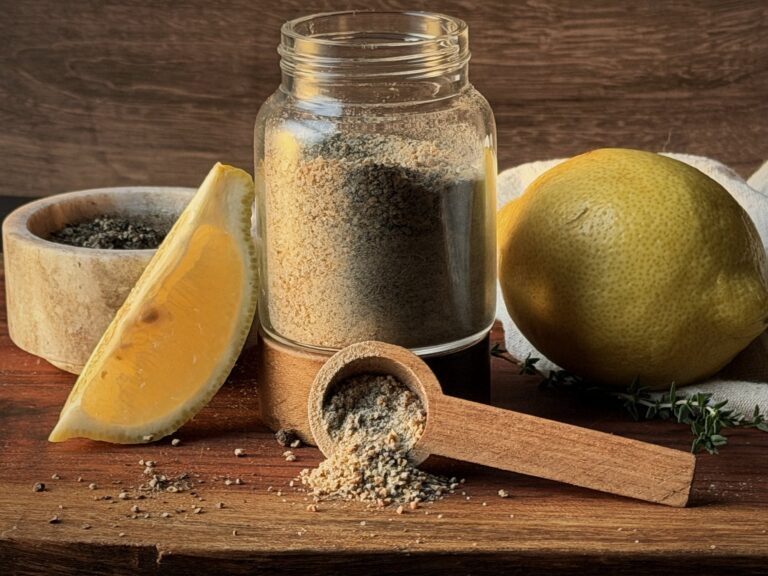
4. Homemade Chicken Bouillon Powder
Homemade bouillon is another convenient ingredient we keep stocked.
It’s useful for soups, sauces, and recipes that need extra flavor.
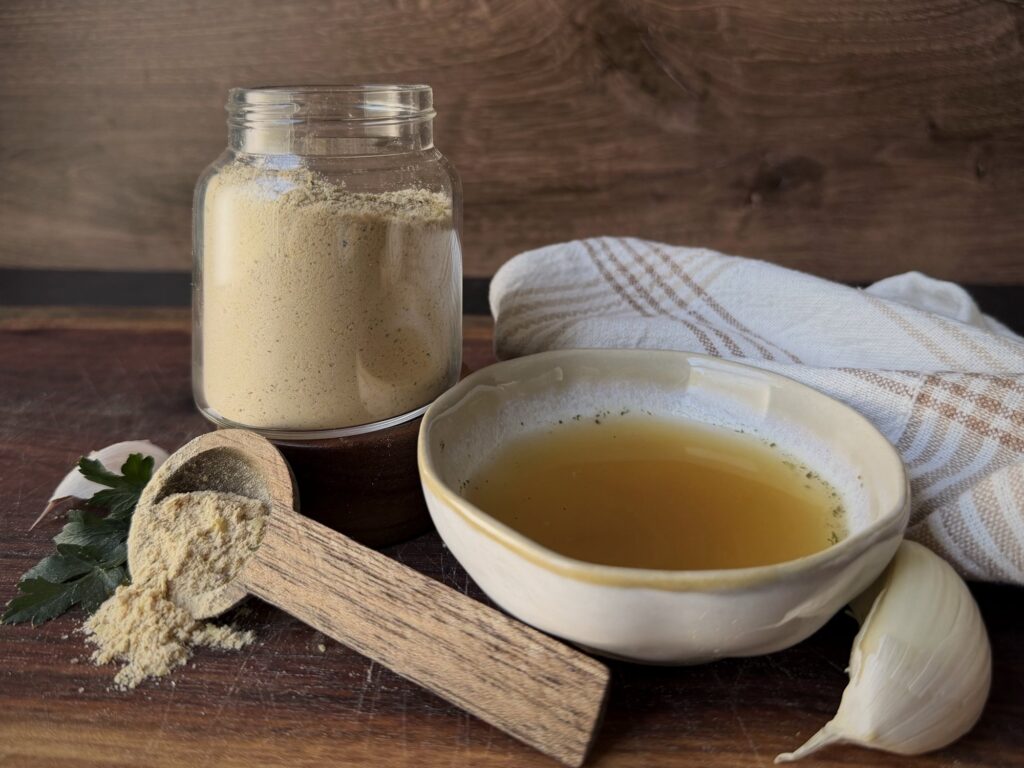
Homemade Chicken Bouillon Powder
5. Homemade Granola Clusters
If your family enjoys granola, this is a great place to practice making something at home that you might otherwise purchase in a package.

You Don’t Have to Make Everything From Scratch Tomorrow
Start with one thing.
Maybe it’s taco seasoning.
Maybe it’s homemade dressing mix.
Or maybe it’s learning to bake a simple loaf of bread.
Get comfortable with that recipe and then add another.
Over time, you’ll build a collection of recipes and skills that make homemade meals easier.
And when you already have the basic ingredients stocked, preparing those foods becomes even more convenient.
Buying in bulk helps us save money on ingredients. Cooking from scratch helps us get more value out of those ingredients.
The two work together.
And that’s one of the biggest reasons our family has been able to maintain our grocery spending while prioritizing higher-quality foods.
Organic Dairy: Where We Intentionally Spend More
Dairy is one of the categories we added after our basic pantry was well stocked.
We use a lot of dairy in our kitchen, and we’ve chosen to prioritize certain products even when they cost more than conventional alternatives.
Organic Sour Cream
We purchase Nancy’s organic sour cream in a six-pack of 16-ounce containers.
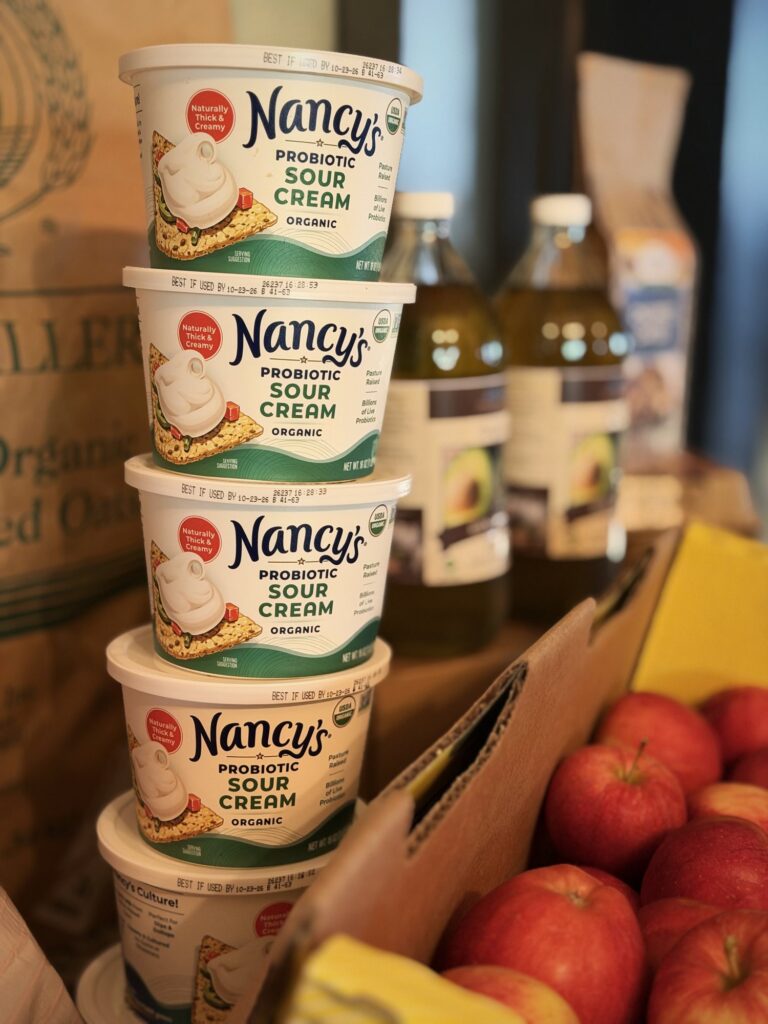
In our comparison:
- Azure Standard: $22.91
- Comparable organic retail: $28.74
- Savings: $5.83
That’s approximately 20% less than the comparable organic product.
The conventional Walmart equivalent was considerably less expensive.
But the goal isn’t necessarily to find the cheapest sour cream available.
It’s to purchase the organic product we want at a favorable price.
Cultured Butter
Our cultured butter is another example of a product we intentionally prioritize.
At approximately $120 for 15 pounds, it’s certainly not inexpensive.
And unlike some of our other purchases, it wasn’t a savings compared to the organic retail alternative we priced.
But that’s okay.
Because we aren’t looking at the butter purchase in isolation.
We’re looking at our entire grocery budget.
The savings on other products allow us to make different decisions about where we spend more.
And that’s the strategy we’ve developed over six years.
Other Habits That Help Keep Our Grocery Budget Low
We Stock What We Actually Eat
One of the most important rules of buying in bulk is not purchasing something simply because it’s a good deal.
A 25-pound bag isn’t a bargain if your family won’t eat it.
We buy ingredients that are part of our regular cooking routines.
That helps prevent waste and makes it easier to use what we already have.
We Build Meals Around Our Pantry
When you have flour, beans, seasonings, homemade mixes, and other staples ready to go, preparing meals becomes simpler.
You aren’t starting from an empty kitchen every time you need to make dinner.
We use these basic ingredients in a wide variety of recipes, which reduces the need to purchase specialized products for every meal.
We Preserve Food When It’s Available
Gardening and preserving are also part of how we feed our family.
We freeze chopped peppers and onions from our garden, preserve produce, and keep home-canned ingredients stocked.
Having these foods ready makes cooking from scratch easier.
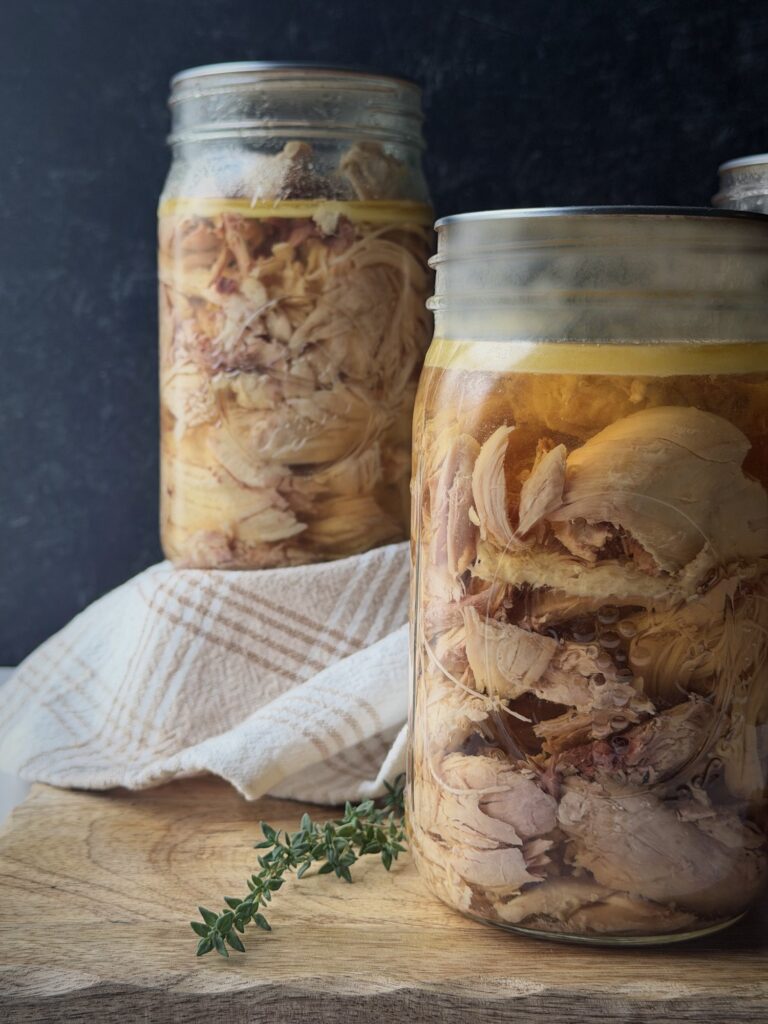
There’s real value in being able to pull a package of chopped peppers and onions from the freezer and put dinner together without additional prep.
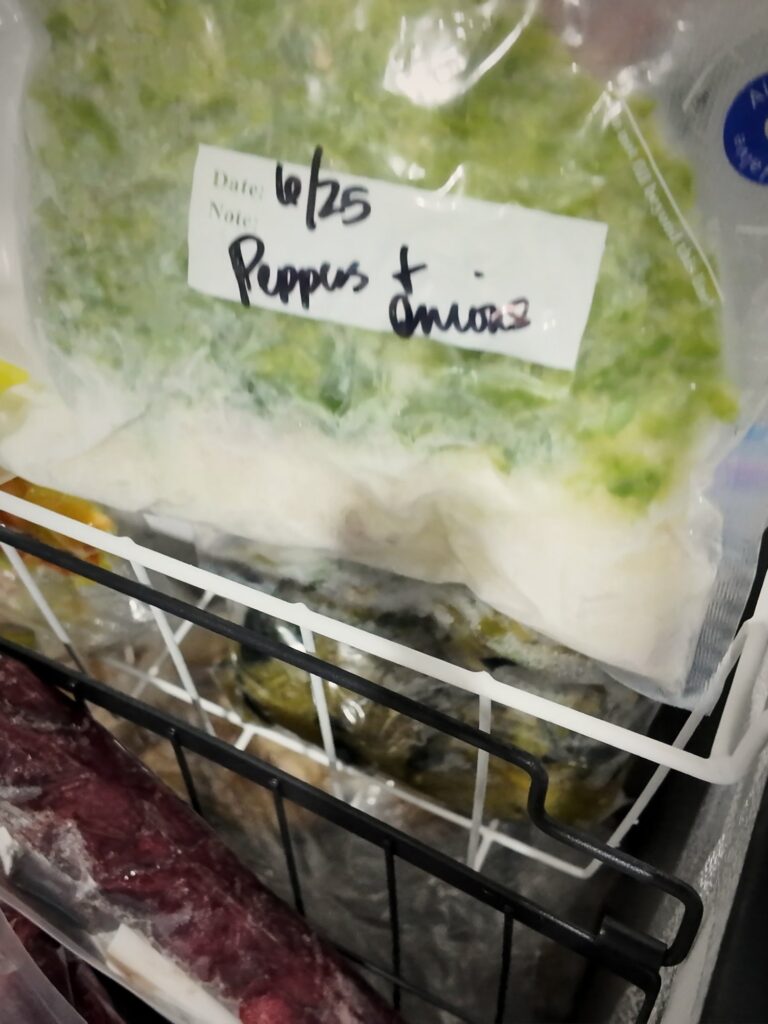
Of course, gardening and preserving require time, equipment, and other resources, so I don’t treat homegrown food as completely free.
But the convenience and ability to make use of seasonal harvests are valuable to our family.
We Build Our Pantry Over Time
I can’t emphasize this enough.
We did not develop our current pantry and shopping routines overnight.
We’ve spent six years learning what works.
We started with staples and gradually expanded into other categories.
You don’t need to have everything figured out before getting started.
We Look at the Entire Grocery Budget
This is perhaps the most important part of our approach.
We don’t judge our grocery spending by whether every individual product is cheap.
We look at what we’re spending overall.
And that means there can be room for expensive butter, raw cheddar, and other higher-quality products when we’re saving money elsewhere.
Does Buying in Bulk Always Save Money?
Absolutely not.
Sometimes bulk products offer substantial savings.
Sometimes they’re only a little cheaper.
And sometimes the grocery store has a better price.
That’s why I recommend comparing prices and making sure you’re buying quantities you can realistically use.
For our family, Azure Standard has been a valuable resource, but it isn’t the only place we shop.
And I don’t believe anyone needs to purchase every ingredient from the same source.
The goal is to create a system that works for your household.
How to Start Lowering Your Grocery Budget
If you’re interested in reducing your grocery spending without necessarily sacrificing the ingredients you prefer, here’s where I’d begin.
First, look at what your family already eats.
You don’t need to completely change your menu to begin saving money.
Identify the ingredients you purchase most often and compare their prices across different stores and package sizes.
Next, start stocking a few basic pantry staples.
Focus on ingredients that store well and that you’ll consistently use.
Flour, beans, rice, popcorn, and basic seasonings can be good starting points, depending on your family’s meals.
Then, learn to make a few everyday foods from scratch.
Start with something easy.
Replacing even one regularly purchased convenience food with a homemade alternative can help you develop skills that become useful for years.
Finally, expand gradually.
You don’t need to purchase premium dairy products or fill every pantry shelf right away.
Start with the products that save you the most money.
As your pantry grows and your cooking skills develop, you may find that you have more flexibility in your overall grocery budget.
That’s how we got here.
Final Thoughts: A Thrifty Budget Doesn’t Require Thrifty Ingredients
If there’s one thing I hope you take away from our family’s grocery budget, it’s this:
You don’t have to buy the cheapest version of every food to keep your overall grocery spending under control.
Our family regularly purchases ingredients that many people would consider expensive.
We buy raw cheddar, organic flour, cultured butter, and other products we genuinely enjoy using.
But we’ve also spent six years learning how to save money on the pantry staples that make up so much of our cooking.
And just as importantly, we’ve learned how to turn those ingredients into meals.
Buying in bulk and cooking from scratch work together.
The bulk purchases help keep our ingredient costs manageable.
Our cooking skills allow us to use those ingredients instead of relying so heavily on prepared and convenience foods.
And the savings help make room for higher-priced ingredients we choose to prioritize.
Over the last six months, our family of seven has averaged approximately $826 per month in grocery spending.
That’s substantially below an illustrative USDA Thrifty Food Plan benchmark for a household our size, even though many of our groceries aren’t what most people would consider thrifty purchases.
Our grocery budget is thrifty. Our ingredients don’t have to be.
And if you’re just getting started, please remember that you don’t have to know how to do everything today.
Start with one ingredient.
Learn one recipe.
Build one small part of your pantry.
With time, effort, and a willingness to learn, those little changes can become part of a much bigger difference in how you feed your family.
I’d Love to Hear From You!
How many people are in your family, and what’s your average monthly grocery budget?
I’d love to hear how our spending compares to yours!
Shop and Explore
Azure Standard: Shop Azure Standard
More Scratch-Made Recipes: pantrytoplate.com
Homemade Chicken Bouillon Powder: Get the recipe
Homemade Cream of Soup Mix: Get the recipe
How to Can Chicken: Read the guide
How to Build a Bulk Pantry on a Budget: Read the guide
Pricing and USDA Notes
Product prices reflect specific items, package sizes, and retailer comparisons recorded at the time of our research. Prices may change.
The USDA comparison uses September 2026 Thrifty Food Plan figures and an illustrative household of seven. Actual household estimates depend on individual ages and sexes and applicable household-size adjustments.
The USDA plan measures estimated food-at-home costs, while our $826 figure reflects actual grocery purchases. Previously stocked, homegrown, and otherwise sourced foods may also contribute to our meals.
USDA Food Plans: Monthly Cost of Food Reports